15, Jeevan Jyot Society, Opp.Indra Complex, Lalbaug Road, Vadodara-390011
 archit@architelectricals.com
 +91 265-2655380

Transformers are essential for reliable power distribution and industrial electrical systems. However, continuous operation can…
- Product Guide
- 8 minute read
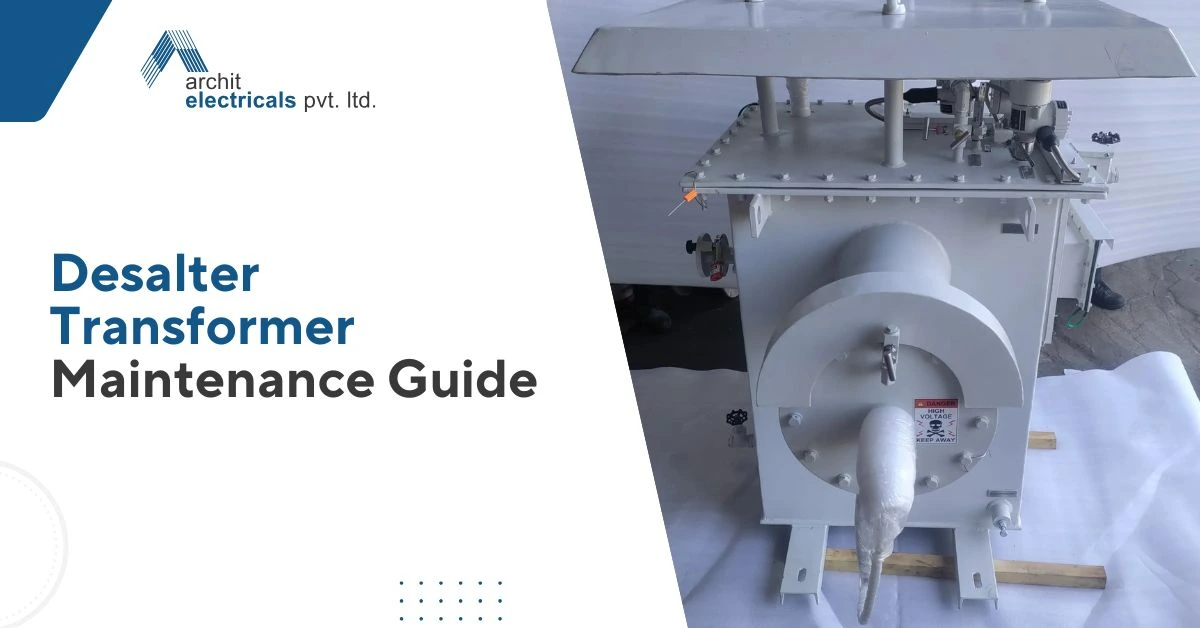
In refinery operations, maintaining reliable electrical equipment is essential for ensuring uninterrupted production and efficient crude oil processing. Among the critical components used in desalting units, the Desalter Transformer plays a vital role in supporting the electrostatic separation process that removes water, salts, and contaminants from crude oil before refining. Because desalting directly affects product quality, equipment performance, and downstream processing efficiency, the transformer supporting this operation must remain in optimal working condition.
Like any high-voltage electrical equipment, a Desalter Transformer is exposed to continuous operational stress, environmental conditions, electrical loading, and process-related demands. Over time, these factors can affect performance, reliability, and efficiency if proper maintenance is not carried out. Understanding the importance of maintenance and adopting a structured approach helps industries improve transformer life, reduce downtime, and maintain stable refinery operations.
Understanding Desalter Transformer
A Desalter Transformer is a specialized high-voltage transformer used in refinery desalting systems. Its primary function is to provide the high-voltage electrical field required for the separation of water droplets and dissolved salts from crude oil. This electrostatic process improves crude oil quality and protects downstream equipment from corrosion, fouling, and operational inefficiencies.
Unlike conventional transformers used for power distribution, a Desalter Transformer is specifically designed to operate in demanding refinery environments where reliability and electrical performance are critical. These transformers are engineered to withstand high-voltage operating conditions while delivering consistent and stable performance throughout the desalting process.
Because refinery operations rely heavily on continuous processing, maintaining the health of a Desalter Transformer becomes essential for operational reliability and production efficiency.
Why Desalter Transformer Maintenance Is Important?
A Desalter Transformer operates under conditions that involve continuous electrical loading and high-voltage performance requirements. Any reduction in transformer efficiency or reliability can directly impact the desalting process and potentially affect refinery productivity.
Proper maintenance helps ensure:
- Stable transformer operation
- Consistent high-voltage performance
- Improved equipment reliability
- Reduced risk of unexpected failures
- Longer transformer service life
- Improved refinery efficiency
- Reduced maintenance costs
When maintenance is neglected, issues such as insulation deterioration, overheating, contamination, and electrical stress may gradually affect transformer performance. Over time, these problems can increase the likelihood of operational interruptions and costly repairs.
For industries operating desalting units, maintenance should be viewed as a preventive strategy that protects both equipment and production processes.
Common Factors Affecting Desalter Transformer Performance
Several operational and environmental conditions can influence the performance of a Desalter Transformer over time. Understanding these factors helps maintenance teams identify potential risks and develop effective maintenance programs.
| Factor | Impact on Transformer Performance |
| Excessive Heat | Accelerates insulation aging |
| Electrical Overloading | Increases internal stress |
| Moisture Contamination | Reduces insulation strength |
| Dust and Dirt Accumulation | Affects cooling efficiency |
| Loose Connections | Causes overheating and voltage instability |
| Aging Components | Reduces reliability |
Heat remains one of the most significant factors affecting transformer life. Continuous operation at elevated temperatures can accelerate insulation degradation and reduce overall equipment reliability.
Moisture contamination is another major concern. Even small amounts of moisture can affect insulation systems and compromise high-voltage performance.
Environmental conditions, operational loading, and equipment age should all be considered when evaluating transformer maintenance requirements.
Key Desalter Transformer Maintenance Practices
Maintaining a Desalter Transformer requires a combination of routine inspection, condition monitoring, and preventive maintenance activities. A structured maintenance program helps identify developing issues before they become major operational problems.
Visual Inspection
Regular visual inspections help identify early signs of deterioration and physical damage.
Inspection should include:
- Transformer enclosure condition
- Signs of corrosion
- Oil leakage indicators
- Dust accumulation
- Physical damage
- Ventilation condition
Routine visual inspection often provides valuable information about transformer health and operating conditions.
Connection Inspection
Electrical connections play an important role in maintaining stable transformer performance.
Maintenance personnel should inspect:
- Terminal connections
- Cable condition
- Connection tightness
- Signs of overheating
Loose connections can increase resistance, generate heat, and affect electrical performance.
Cleaning and Housekeeping
Maintaining a clean operating environment supports reliable transformer operation.
Regular cleaning helps reduce:
- Dust accumulation
- Cooling restrictions
- Surface contamination
- Environmental stress
Clean equipment generally operates more efficiently and experiences fewer maintenance-related issues.
Desalter Transformer Inspection and Testing Considerations
Routine inspection and testing are essential for evaluating the condition of a Desalter Transformer and identifying developing faults before they result in equipment failure.
Testing helps assess:
- Electrical integrity
- Insulation condition
- Voltage performance
- Operational reliability
- Equipment health
One important maintenance activity involves High Voltage Transformer Testing, which helps evaluate the transformer’s ability to operate safely under high-voltage conditions. Regular testing supports early fault detection and improved reliability.
Maintenance programs may also include:
- Insulation resistance testing
- Voltage verification
- Connection testing
- Temperature monitoring
- Condition assessment
Testing data provides valuable insights into transformer condition and helps maintenance teams make informed decisions regarding servicing and repairs.
Need reliable Desalter Transformer maintenance support for refinery operations? Contact us today for dependable high-voltage transformer solutions and technical assistance.
Monitoring Temperature and Insulation Health
The performance of a Desalter Transformer depends heavily on the condition of its insulation system and its ability to operate within acceptable temperature limits.
Excessive heat can:
- Accelerate insulation aging
- Reduce transformer life
- Increase electrical stress
- Affect operational reliability
Maintenance teams should monitor:
- Operating temperature
- Hot spot development
- Cooling effectiveness
- Insulation condition
Maintaining proper temperature control and insulation integrity helps support long-term transformer performance and operational safety.
Common Desalter Transformer Problems and Warning Signs
A Desalter Transformer often provides warning signs before major failures occur. Recognizing these indicators allows maintenance teams to take corrective action before serious damage develops.
Common warning signs include:
- Excessive operating temperature
- Abnormal noise
- Voltage instability
- Oil leakage
- Insulation deterioration
- Frequent electrical trips
- Burn marks or discoloration
- Reduced operating efficiency
These symptoms should never be ignored because they may indicate developing problems that could affect refinery operations.
Early intervention helps minimize downtime and prevent costly repairs.
The Importance of Preventive Maintenance
Preventive maintenance is one of the most effective strategies for maintaining reliable Desalter Transformer performance.
Rather than waiting for equipment failure, preventive maintenance focuses on identifying potential issues before they affect operations.
Benefits include:
- Reduced downtime
- Lower repair costs
- Improved reliability
- Better equipment performance
- Longer transformer lifespan
Facilities that implement preventive maintenance programs often experience fewer unexpected failures and improved operational efficiency.
This proactive approach helps protect critical refinery infrastructure while supporting continuous production.
High-Voltage Equipment and Operational Reliability
A Desalter Transformer operates as part of a high-voltage electrical system where reliability and safety are critical.
Although their applications may differ, these transformer technologies share common maintenance priorities:
- Insulation integrity
- Temperature management
- Electrical testing
- Condition monitoring
- Preventive servicing
Applying these maintenance principles helps improve operational reliability and reduce the likelihood of electrical failures.
Benefits of Proper Desalter Transformer Maintenance
Effective maintenance delivers significant operational and financial benefits for facilities relying on refinery desalting systems.
A properly maintained Desalter Transformer helps provide:
- Improved operational reliability
- Better process efficiency
- Reduced downtime
- Lower maintenance costs
- Extended equipment life
- Improved electrical safety
- Stable high-voltage performance
These benefits contribute directly to refinery productivity and support long-term equipment performance.
Organizations that prioritize maintenance often achieve better operational outcomes while reducing the risk of unexpected disruptions.
Frequently Asked Questions
A Desalter Transformer is used in refinery desalting systems to provide the high voltage required for electrostatic separation of water and salts from crude oil.
Maintenance helps improve reliability, reduce downtime, extend equipment life, and maintain stable transformer performance.
Common issues include overheating, insulation deterioration, moisture contamination, loose connections, and electrical stress.
Inspection frequency depends on operating conditions, but regular preventive inspections are recommended to maintain reliability.
High Voltage Transformer Testing helps evaluate insulation condition, electrical performance, and operational safety.
Conclusion
A Desalter Transformer is a critical component in refinery operations where stable high-voltage performance is essential for effective crude oil desalting. Proper maintenance helps preserve transformer reliability, improve operational efficiency, and reduce the risk of unexpected failures. Through routine inspections, testing, temperature monitoring, and preventive maintenance practices, industries can extend transformer life while maintaining dependable refinery performance. Investing in maintenance is ultimately an investment in equipment reliability, process stability, and long-term operational success.
High Voltage Inverter TransformerHigh Voltage Low Voltage TransformerHigh Voltage Pulse TransformerHigh Voltage Transformer Testing
Related Posts
Transformers are used in specialized industrial applications where reliable electrical power and stable voltage supply…
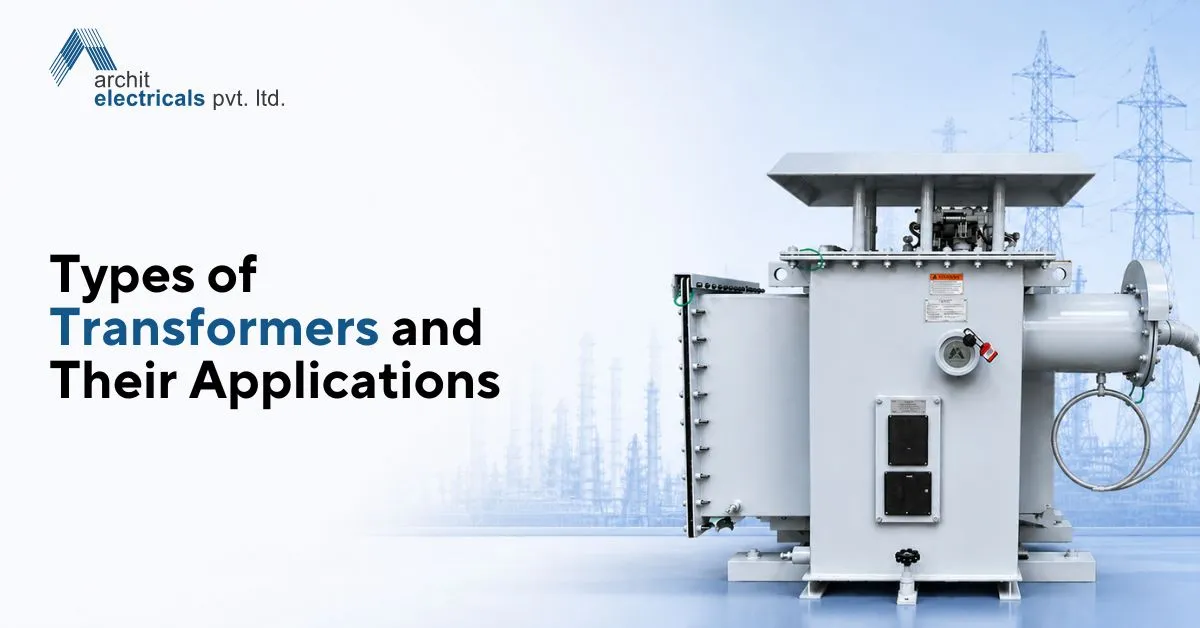
Transformers are essential electrical devices used to transfer electrical energy between circuits while changing voltage…