15, Jeevan Jyot Society, Opp.Indra Complex, Lalbaug Road, Vadodara-390011
 archit@architelectricals.com
 +91 265-2655380

Transformers are essential for industrial power distribution, and unexpected failures can interrupt production, damage equipment,…
- Product Guide
- 5 minute read
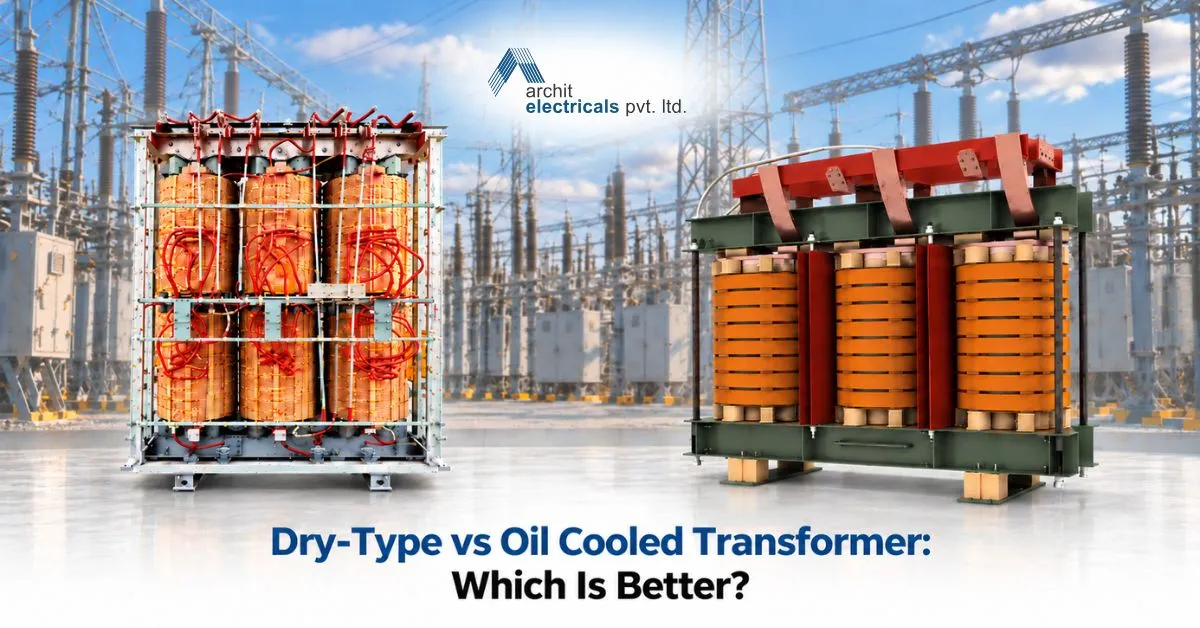
Choosing between a dry-type transformer and an oil-cooled transformer depends on the installation environment, cooling requirements, fire safety considerations, maintenance needs, and operating conditions. Both types are used to transform voltage and support reliable power distribution, but their construction and cooling methods make them suitable for different applications.
A Dry-Type Transformer uses air and solid insulation rather than insulating oil, making it a common option for indoor installations where reducing fire risks and maintenance requirements is important. An Oil-Cooled Transformer uses insulating oil for cooling and insulation, making it suitable for applications where its cooling capacity and design meet the electrical load requirements.
What Is a Dry-Type Transformer?
A Dry-Type Transformer transfers electrical energy between circuits through electromagnetic induction without using insulating oil. It is commonly installed in commercial buildings, hospitals, industrial facilities, high-rise buildings, and infrastructure projects.
Its main advantages include reduced fire hazards associated with oil-filled equipment, lower routine maintenance requirements, and suitability for indoor installations. However, its performance depends on the design, ventilation, load, and surrounding conditions.
What Is an Oil Cooled Transformer?
An Oil Cooled Transformer uses insulating oil to provide insulation and help remove heat generated during operation. The oil transfers heat away from internal components, while the cooling arrangement dissipates that heat into the surrounding environment.
These transformers are commonly considered for industrial power distribution and installations where the required capacity, cooling arrangement, and site conditions suit an oil-filled design. They also require appropriate oil inspection, leak checks, and maintenance according to the manufacturer’s recommendations.
Dry-Type vs Oil Cooled Transformer: Key Differences
The main difference between these transformer types is their cooling and insulation method. Comparing practical operating factors helps determine which option fits a specific installation.
| Comparison Factor | Dry-Type Transformer | Oil Cooled Transformer |
| Cooling method | Air-based cooling, depending on design | Insulating oil transfers heat |
| Fire safety | No insulating oil, reducing oil-related fire risks | Requires precautions because insulating oil is present |
| Installation | Often preferred for indoor locations | Often used in suitable outdoor or dedicated transformer installations |
| Maintenance | Generally lower routine maintenance | Requires oil checks and inspection of the cooling system |
| Environmental considerations | Avoids oil leakage concerns | Oil containment and leak prevention may be necessary |
| Best suited for | Buildings, hospitals, institutions, and indoor facilities | Industrial and distribution applications suited to its ratings and cooling design |
Which Transformer Is Better for Your Application?
Neither option is universally better. The right choice depends on the site and electrical requirements.
- Choose a Dry-Type Transformer when indoor installation, reduced oil-related fire risk, and lower routine maintenance are important priorities. It can suit commercial buildings, hospitals, high-rise structures, and many industrial facilities.
- Choose an Oil Cooled Transformer when the required load, cooling performance, installation arrangement, and operating conditions align with an oil-filled design. The installation must also provide appropriate safety measures and oil maintenance.
Before deciding, compare the required kVA rating, voltage levels, load profile, available space, ventilation, ambient temperature, installation costs, and long-term maintenance needs. Environmental conditions and applicable electrical safety standards should also guide the selection.
Need help selecting a transformer for your application? Contact us to discuss your electrical requirements and suitable transformer options.
Factors to Consider Before Buying
Review these points before finalising a transformer:
- Load and capacity: Confirm the required rating and expected operating load.
- Installation location: Assess indoor or outdoor placement, available clearance, and ventilation.
- Safety requirements: Consider fire protection, access restrictions, and oil containment where applicable.
- Lifecycle cost: Compare purchase price, installation, maintenance, and expected operating expenses.
- Technical specifications: Verify voltage, insulation, cooling arrangements, and compliance with relevant standards.
When comparing a Dry-Type Transformer with an Oil Cooled Transformer, consider the manufacturer’s specifications and consult a qualified electrical professional to determine which option best meets your installation and operating requirements.
Frequently Asked Questions
A dry-type transformer uses air and solid insulation, while an oil-cooled transformer uses insulating oil for insulation and heat transfer.
A Dry-Type Transformer is often preferred for indoor installations because it contains no insulating oil, reducing oil-related fire and leakage concerns. Suitability still depends on site conditions and safety requirements.
Oil-cooled transformers generally require additional checks, including oil condition and leak inspections. Actual maintenance frequency depends on the equipment design and manufacturer’s recommendations.
Both can serve industrial applications. The choice depends on load capacity, cooling needs, installation conditions, safety requirements, and the manufacturer’s specifications.
Compare the required rating, voltage, load profile, installation location, ventilation, safety requirements, maintenance costs, and applicable standards before making a decision.
Conclusion
Both transformer types can support dependable power distribution when correctly specified and installed. A Dry-Type Transformer is often a practical choice for indoor environments where avoiding insulating oil is beneficial, while an oil-cooled design may be appropriate when its cooling characteristics and installation requirements fit the application. Evaluate safety, load, site conditions, and lifecycle costs before choosing.
Oil Filled TransformerPower TransformerTransformer Cooling MethodsTransformer Cooling SystemTypes of Transformers
Related Posts
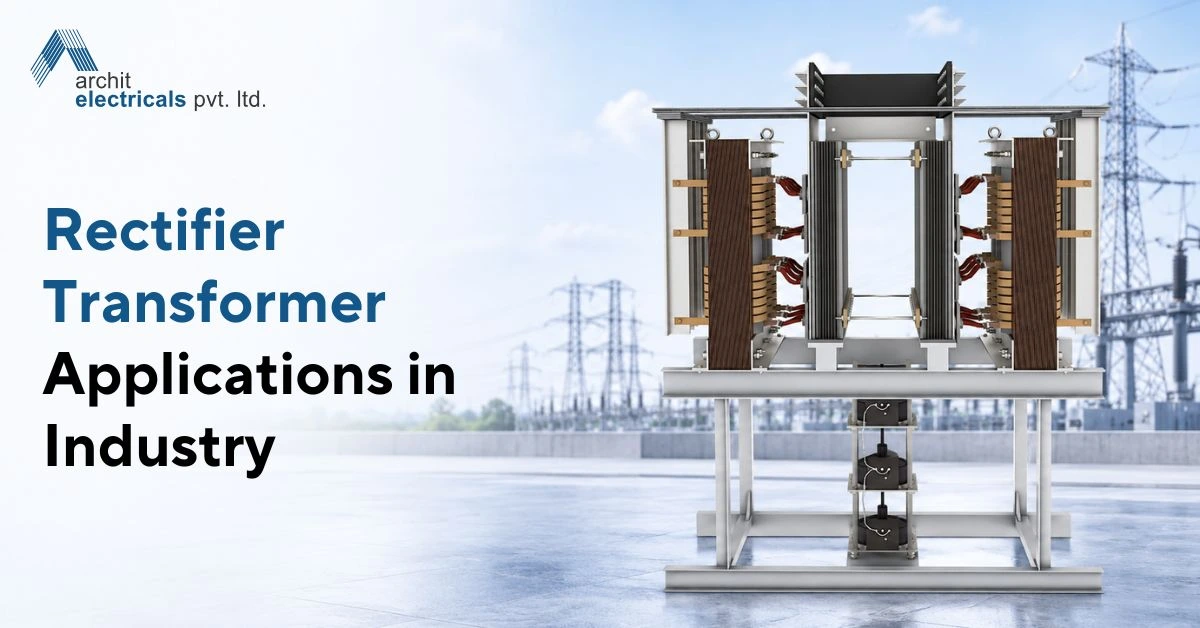
Industrial processes that require a stable direct current (DC) supply often depend on rectifier systems…
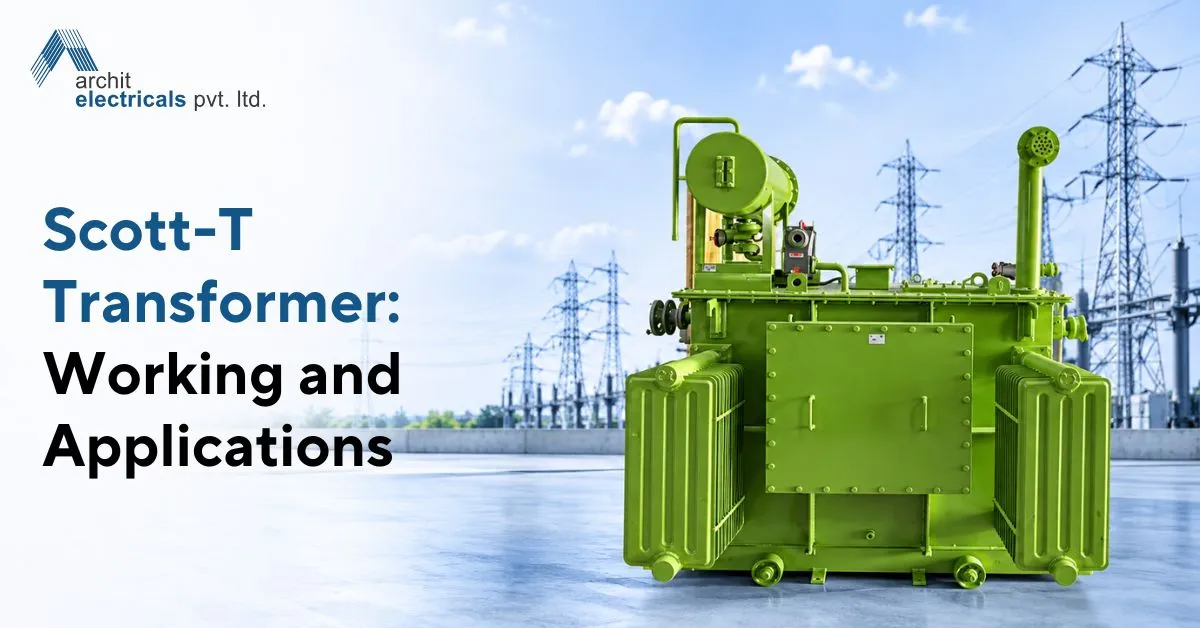
A Scott-T Transformer is a specialized transformer arrangement used to convert three-phase electrical power into…