15, Jeevan Jyot Society, Opp.Indra Complex, Lalbaug Road, Vadodara-390011
 archit@architelectricals.com
 +91 265-2655380

Transformers are essential for industrial power distribution, and their reliable operation depends on more than…
- Product Guide
- 9 minute read
Transformers are essential electrical devices used to transfer electrical energy between circuits while changing voltage levels according to system requirements. Different transformer designs are developed for specific applications, operating conditions, cooling methods, power conversion needs, and industrial processes.
From electrical isolation and power distribution to crude oil processing, high-frequency welding, and AC-to-DC conversion, each transformer type serves a distinct purpose. Isolation Transformers provide electrical separation for improved safety, while Oil Cooled Transformers support efficient heat management in demanding power applications. Understanding the different transformer types helps industries select suitable equipment for reliable, safe, and efficient electrical operation.
What Are the Different Types of Transformers?
Transformers can be classified based on their construction, cooling method, electrical function, and application. Some are designed for general power distribution, while others are developed for specialized industrial processes.
The major transformer types covered here include:
- Ultra Isolation Transformer
- Isolation Transformer
- Heater Treater Transformer
- Desalter Transformer
- Rectifier Transformer
- Oil Cooled Transformer
- Dry-Type Transformer
- Scott-T Transformer
Each type offers specific advantages and is suitable for different electrical and industrial requirements.
1. Ultra Isolation Transformer
An Ultra Isolation Transformer is designed to provide superior electrical isolation and clean power for sensitive equipment and critical industrial applications. It helps reduce electrical noise, voltage disturbances, common-mode noise, static charges, and radio frequency interference.
These transformers use isolated primary and secondary windings along with neutral and ground connections. Their specially designed core and shielded enclosure help attenuate electrical noise while maintaining effective power transfer.
Applications of Ultra Isolation Transformer
- Industrial automation systems
- Medical and laboratory equipment
- Communication systems
- Precision testing equipment
- Control panels
- Sensitive electronic devices
They are particularly useful where clean, stable, and noise-free power is important for equipment performance.
2. Isolation Transformer
An Isolation Transformer provides electrical separation between primary and secondary circuits while maintaining reliable power transfer. This separation helps protect connected equipment from electrical noise, voltage disturbances, and ground loop problems.
Archit Electricals manufactures dry-type air-cooled isolation transformers, including designs using VPI-processed windings for improved insulation strength. The supplied product information specifies a capacity of up to 3.5 MVA for the listed Isolation Transformer.
Applications of Isolation Transformer
- Industrial power distribution
- Control panels and automation systems
- Laboratories and testing facilities
- Communication equipment
- Commercial buildings
- Industrial machinery
Dry-type construction also makes these transformers suitable for indoor installations where reduced fire risk and lower maintenance are important.
3. Heater Treater Transformer
A Heater Treater Transformer is specially developed for heater treater units used in oil and gas processing. Heater treaters use heating and separation processes to help separate crude oil, gas, and water.
These transformers provide stable voltage and controlled power for continuous industrial operation. Their continuous short-circuit current withstand capability allows reliable operation under heavy-load conditions.
Applications of Heater Treater Transformer:
- Oil and gas production facilities
- Crude oil separation systems
- Petroleum processing plants
- Refinery heater treater units
- Hazardous industrial environments
The supplied product information also states that these transformers have been tested at ERDA and approved for use in gas zones with high inflammability.
4. Desalter Transformer
A Desalter Transformer supplies high-voltage electrical power to electrostatic desalting systems used in crude oil processing. These systems help remove water and salt from crude oil before refining.
Archit Electricals’ Desalter Transformers are manufactured as 100% reactance units, with output voltage typically ranging from 12 kV to 25 kV and power ratings from 5 kVA to 60 kVA. Five output taps allow voltage adjustment according to crude oil properties such as conductivity, viscosity, and API gravity.
Applications of Desalter Transformer:
- Crude oil desalting systems
- Petroleum refineries
- Oil and gas processing plants
- Petrochemical industries
- Industrial oil treatment systems
This specialized design supports effective electrostatic separation and dependable operation in refinery environments.
5. Rectifier Transformer
A Rectifier Transformer is designed to supply power to rectifier circuits used in industrial processes. It works with components such as diodes and thyristors to support AC-to-DC power conversion.
The supplied design includes 6-phase and 12-pulse configurations, which help reduce ripple noise and voltage drop while providing smoother DC output.
Applications of Rectifier Transformer:
- Industrial electrochemical processes
- Power electronics systems
- Battery charging systems
- Electroplating
- Metal processing
- Industrial DC power supply systems
Its design is particularly useful where controlled and stable DC power is required for continuous industrial processes.
6. Oil Cooled Transformer
An Oil Cooled Transformer uses insulating oil for both cooling and electrical insulation. During transformer operation, electrical losses generate heat within the core and windings. The oil helps transfer this heat away from internal components while also supporting insulation performance.
Archit Electricals manufactures oil cooled transformers with power ratings available up to 5 MVA. Customized configurations are also available for applications such as furnace, solar, wind, and dual-primary or dual-secondary transformer systems.
Applications of Oil Cooled Transformer:
- Industrial power distribution
- Furnace and heating systems
- Solar energy systems
- Wind energy systems
- Manufacturing industries
- Heavy engineering applications
- Electrical utility projects
The combination of cooling and insulation makes oil-based designs suitable for demanding electrical loads and industrial environments.
7. Dry-Type Transformer
A Dry-Type Transformer uses air rather than insulating oil as its cooling medium. Since it does not contain transformer oil, it can be suitable for indoor applications where fire safety, cleanliness, and reduced maintenance are important.
Dry-type transformers are commonly used for voltage transformation, electrical isolation, and safe power distribution.
Applications of Dry-Type Transformer:
- Commercial buildings
- Industrial facilities
- Hospitals
- Institutions
- High-rise buildings
- Infrastructure projects
- Renewable energy systems
Key advantages include reduced fire hazards, lower maintenance requirements, suitability for indoor installation, and environmentally friendly operation.
8. Scott-T Transformer
A Scott-T Transformer, also known as a Scott connection, is a specialized transformer arrangement used to convert between three-phase and two-phase electrical systems.
It uses two single-phase transformers:
- Main transformer – Connected across two phases of the three-phase supply.
- Teaser transformer – Connected between the third phase and a midpoint tap on the main transformer.
This arrangement produces two output voltages that are equal in magnitude and 90° out of phase, creating a true two-phase system.
Applications of Scott-T Transformer:
- Two-phase motors
- Older industrial equipment
- Electric furnaces
- Railway traction systems historically
- Interfacing between different power systems
When properly designed, the arrangement can provide a balanced load on the three-phase side while enabling efficient phase conversion without rotating components.
How to Choose the Right Transformer?
Selecting the appropriate transformer depends on the electrical and operational requirements of the application. Important factors include:
| Selection Factor | What to Consider |
| Application | Identify the industrial process or equipment |
| Voltage | Check required input and output voltage |
| Power rating | Match the transformer to the required load |
| Cooling method | Consider oil cooled, air cooled, or water-cooled designs |
| Electrical isolation | Determine whether circuit separation is required |
| Power conversion | Check whether AC-to-DC or phase conversion is needed |
| Environment | Consider indoor, outdoor, hazardous, or demanding conditions |
| Customization | Evaluate application-specific design requirements |
For example, a Desalter Transformer is appropriate for electrostatic crude oil desalting, while a Rectifier Transformer is intended for industrial rectification systems. Similarly, an Oil Cooled Transformer is suited to applications requiring oil-based cooling and insulation, whereas a Dry-Type Transformer can be advantageous for indoor installations.
Looking for the right transformer for your industrial application? Contact Us today for reliable transformer solutions.
Why Different Types of Transformers Are Important?
Different electrical systems have different operating requirements. A standard power distribution application may require a conventional cooling and voltage transformation solution, while sensitive electronic equipment may require strong isolation and noise reduction.
Specialized designs address these specific requirements by providing:
- Appropriate voltage transformation
- Reliable electrical isolation
- Effective heat management
- Stable power delivery
- Controlled AC-to-DC conversion
- Phase conversion
- Protection for sensitive equipment
- Reliable operation in demanding industrial environments
Choosing a transformer according to the actual application can improve electrical performance, safety, equipment reliability, and operational continuity.
Frequently Asked Questions
The major types of transformers include Ultra Isolation Transformers, Isolation Transformers, Heater Treater Transformers, Desalter Transformers, Rectifier Transformers, Oil Cooled Transformers, Dry-Type Transformers, and Scott-T Transformers. Each type is designed for specific electrical, industrial, or power conversion applications.
An Ultra Isolation Transformer provides enhanced electrical isolation and helps reduce electrical noise, voltage disturbances, common-mode noise, static charges, and radio frequency interference. It is commonly used for sensitive industrial, laboratory, communication, automation, and testing equipment.
An Isolation Transformer provides electrical separation between primary and secondary circuits while maintaining power transfer. It can help reduce electrical noise, voltage disturbances, and ground loop problems and is used in industrial power distribution, control panels, laboratories, communication equipment, and machinery.
A Heater Treater Transformer supplies stable voltage and controlled power to heater treater units used in oil and gas processing. It supports heating and separation processes involving crude oil, gas, and water and is used in oilfields, petroleum processing plants, refineries, and hazardous industrial environments.
A Desalter Transformer supplies high-voltage electrical power to electrostatic desalting systems used in crude oil processing. These systems help remove water and salt from crude oil before refining.
Conclusion
The different Types of Transformers are developed to meet specific electrical and industrial requirements. Ultra Isolation Transformers focus on clean power and noise reduction, Isolation Transformers provide circuit separation, and Heater Treater and Desalter Transformers support specialized oil and gas processes.
Similarly, Rectifier Transformers support industrial DC power systems, Oil Cooled Transformers provide effective cooling and insulation, Dry-Type Transformers offer oil-free indoor operation, and the Scott-T Transformer enables conversion between three-phase and two-phase electrical systems.
Understanding the application, voltage, power requirements, cooling method, operating environment, and desired electrical characteristics is essential when selecting a suitable transformer for reliable long-term performance.
Dry Type Transformer ManufacturersHeater Treater Working TransformerThree Phase TransformerTypes of TransformersWhy Oil is Used in Transformer
Related Posts
Choosing the right transformer for an industrial application requires a clear understanding of its electrical…
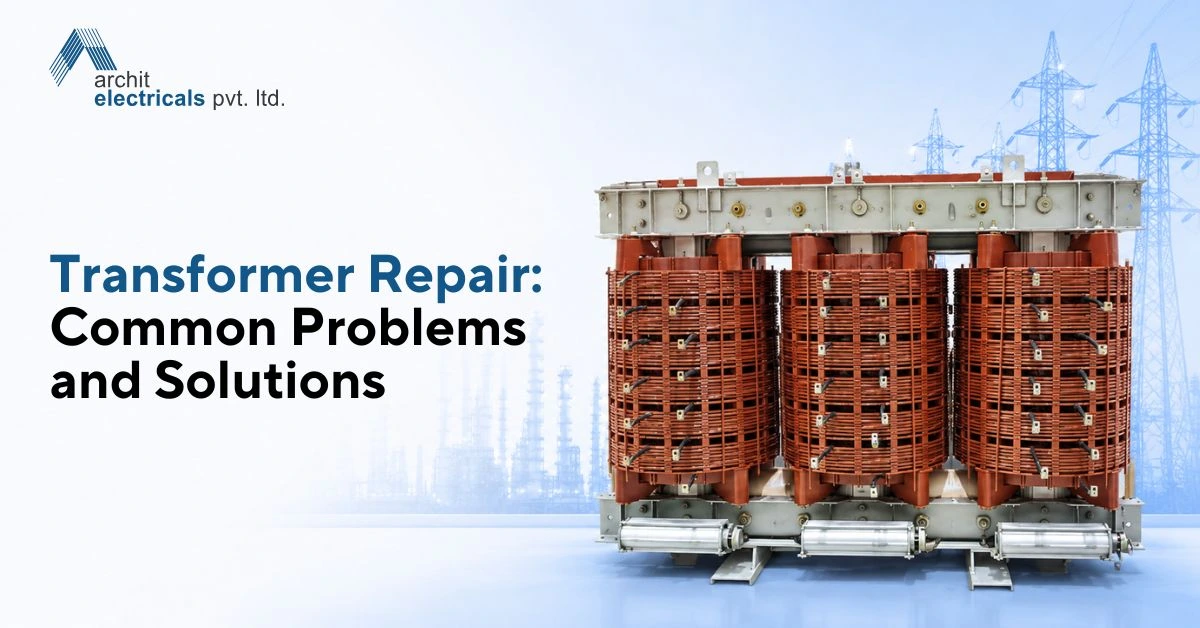
Transformers are essential for reliable power distribution and industrial electrical systems. However, continuous operation can…