15, Jeevan Jyot Society, Opp.Indra Complex, Lalbaug Road, Vadodara-390011
 archit@architelectricals.com
 +91 265-2655380

The oil refining industry depends heavily on reliable electrical systems to maintain efficient and uninterrupted…
- Product Ideas
- 8 minute read
Modern industries depend on stable and reliable electrical systems to support production processes, automation equipment, control systems, and critical machinery. Even minor electrical disturbances can affect equipment performance, reduce operational efficiency, and increase the risk of costly downtime. As industrial facilities continue to adopt advanced technologies and sensitive electronic systems, maintaining power quality and electrical safety has become more important than ever.
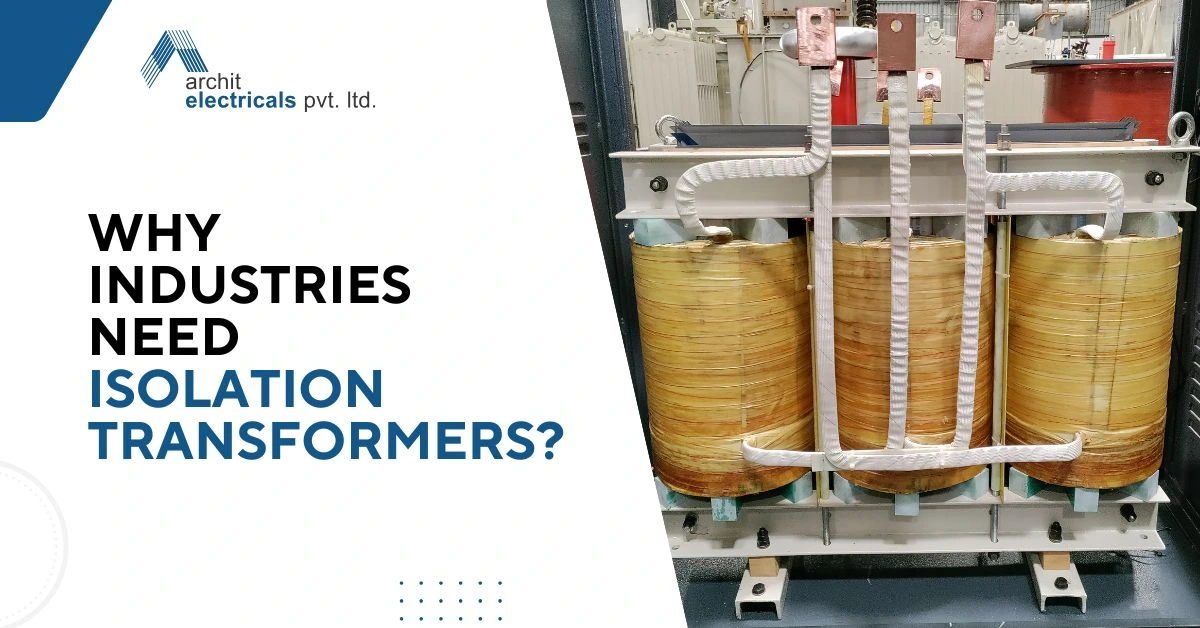
This is where an Isolation Transformer plays a significant role. Designed to provide electrical separation between the primary and secondary circuits, an Isolation Transformer helps improve electrical safety, protect valuable equipment, and support stable power distribution. From manufacturing plants and processing facilities to laboratories and automation systems, industries rely on these transformers to maintain dependable electrical performance.
Understanding the Role of an Isolation Transformer
An Isolation Transformer is a transformer designed to transfer electrical power while maintaining complete electrical separation between the input and output circuits. This separation helps reduce the transfer of electrical disturbances and improves the overall safety of connected systems.
The primary role of an Isolation Transformer is to provide stable and reliable power while protecting equipment from electrical issues that may originate from the power source. Because industrial operations often involve complex electrical networks and sensitive equipment, maintaining this level of protection is essential.
The Isolation Transformer Purpose extends beyond simple power transfer. These transformers help create safer operating environments while supporting better electrical performance across a wide range of industrial applications.
Why Electrical Isolation Matters in Industrial Operations?
Industrial environments typically contain numerous electrical systems operating simultaneously. Motors, drives, automation equipment, control panels, and processing machinery often share the same electrical infrastructure. This can increase the possibility of electrical interference, grounding issues, and power disturbances.
An Isolation Transformer helps address these challenges by electrically separating circuits while allowing power to flow safely between them.
Electrical isolation helps reduce:
- Ground loop problems
- Electrical noise
- Leakage current
- Voltage disturbances
- Equipment-related electrical interference
By reducing these issues, industries can improve operational reliability and maintain more consistent electrical performance throughout their facilities. The Purpose of Isolation Transformer systems becomes particularly important in environments where uninterrupted operation and equipment protection are critical to productivity.
How Isolation Transformers Protect Industrial Equipment?
Industrial equipment represents a significant investment for businesses. Unexpected electrical disturbances can damage machinery, reduce efficiency, and result in expensive repairs or production delays.
An Isolation Transformer helps protect equipment by minimizing the impact of electrical disturbances that may affect connected systems.
Equipment commonly protected by Isolation Transformers includes:
- Industrial machinery
- Automation systems
- Control panels
- Testing equipment
- Monitoring systems
- Communication devices
By providing electrical separation and supporting stable voltage conditions, these transformers help reduce operational risks and improve equipment lifespan. The Use of Isolation Transformer technology in industrial facilities is often driven by the need to protect critical assets and maintain dependable performance.
Improving Electrical Safety with Isolation Transformers
Electrical safety remains one of the most important concerns in industrial environments. Facilities operating high-power equipment and complex electrical systems must take steps to minimize electrical hazards and ensure safe working conditions.
An Isolation Transformer contributes to electrical safety by reducing the direct electrical connection between circuits. This separation helps lower the risk of certain electrical faults affecting connected equipment and systems.
Benefits related to electrical safety include:
- Improved circuit isolation
- Reduced electrical leakage concerns
- Better protection for connected systems
- Safer operation of sensitive equipment
- Reduced exposure to electrical disturbances
For industries seeking to strengthen safety measures while maintaining operational efficiency, Isolation Transformers provide a practical and reliable solution.
The Importance of Isolation Transformers for Power Quality
Power quality directly affects equipment performance, production efficiency, and overall system reliability. Poor power quality can result in equipment malfunctions, operational interruptions, and reduced productivity.
An Isolation Transformer helps support better power quality by reducing the impact of electrical disturbances and improving the stability of power supplied to connected equipment.
Common power quality issues include:
- Voltage fluctuations
- Electrical noise
- Harmonic disturbances
- Grounding problems
- Transient voltage events
By helping isolate equipment from these issues, Isolation Transformers support more reliable electrical operation and improved system performance.
The Benefits of Isolation Transformer solutions become particularly evident in facilities where sensitive electronic systems and automation equipment play a critical role in daily operations.
Need reliable Isolation Transformer solutions for industrial power systems? Contact us today for dependable transformer solutions and technical support.
Why Isolation Transformers Are Essential for Automation Systems?
Automation has become a cornerstone of modern industrial operations. Manufacturing plants, processing facilities, and engineering operations increasingly depend on automated systems to improve productivity and efficiency.
Automation equipment often relies on stable electrical conditions to perform accurately. Electrical disturbances may affect control signals, system communication, and equipment performance.
An Isolation Transformer helps support automation systems by providing cleaner and more stable electrical power.
Common automation applications include:
- PLC systems
- Industrial control panels
- Automated production lines
- Process control systems
- Instrumentation equipment
Because automation systems are highly dependent on electrical reliability, many facilities consider Isolation Transformers an essential part of their infrastructure.
Use of Isolation Transformers in Sensitive Industrial Applications
Certain industrial environments require exceptionally stable electrical conditions to maintain accuracy and performance.
Examples include:
- Laboratories
- Testing facilities
- Research centers
- Quality control departments
- Calibration systems
In these environments, even small electrical disturbances can affect results and compromise operational accuracy.
The Use of Isolation Transformer technology helps reduce the influence of electrical interference while supporting reliable operation of sensitive equipment.
By maintaining cleaner power conditions, these transformers help industries improve consistency, reliability, and equipment performance.
Common Industrial Applications of Isolation Transformers
The versatility of an Isolation Transformer makes it suitable for a wide range of industrial applications. Common applications include:
Industrial Power Distribution
Isolation Transformers help improve electrical safety and support stable power delivery across industrial power systems.
Control Panels
Electrical isolation helps protect control equipment from disturbances that may affect operational performance.
Manufacturing Equipment
Industrial machinery benefits from improved voltage stability and reduced electrical interference.
Communication Systems
Isolation Transformers support reliable operation of communication and monitoring equipment by helping reduce electrical disturbances.
Laboratories and Testing Facilities
Stable electrical conditions help ensure accurate measurements and dependable testing results.
Commercial and Institutional Facilities
Isolation Transformers are also used in commercial buildings and specialized facilities where reliable power quality is important.
The broad range of applications demonstrates why Isolation Transformers remain an important component of modern electrical systems.
Key Benefits of Isolation Transformers for Industries
Industries invest in Isolation Transformers because of the significant operational advantages they provide.
| Benefit | Industrial Impact |
| Electrical Isolation | Improved safety and protection |
| Equipment Protection | Reduced risk of electrical damage |
| Stable Power Supply | Improved operational reliability |
| Reduced Electrical Noise | Better equipment performance |
| Improved Power Quality | Enhanced system efficiency |
| Long-Term Reliability | Lower operational risk |
The Benefits of Isolation Transformer systems extend beyond equipment protection. They contribute to improved productivity, reduced downtime, and greater confidence in electrical infrastructure.
For many facilities, these advantages justify the investment in transformer-based power protection solutions.
Why Industries Continue to Invest in Isolation Transformers?
As industrial facilities become more technologically advanced, the demand for stable and protected power continues to grow.
Modern operations increasingly depend on:
- Automation systems
- Digital controls
- Monitoring equipment
- Precision instruments
- Electronic communication systems
These technologies require dependable electrical performance to function efficiently.
An Isolation Transformer helps industries meet these requirements by supporting electrical safety, improving power quality, and protecting valuable equipment from electrical disturbances. The growing reliance on advanced electrical systems ensures that Isolation Transformers will continue to play a vital role in industrial infrastructure.
Frequently Asked Questions
The Isolation Transformer Purpose is to provide electrical separation between circuits while improving safety, power quality, and equipment protection.
Industries use Isolation Transformers to improve electrical safety, reduce disturbances, protect equipment, and maintain reliable power distribution.
Major Benefits of Isolation Transformer systems include electrical isolation, improved safety, equipment protection, voltage stability, and reduced electrical interference.
The Use of Isolation Transformer in manufacturing facilities includes power distribution, machinery protection, control systems, and automation applications.
Yes. Isolation Transformers help reduce electrical disturbances and support more stable power delivery to connected equipment.
Conclusion
An Isolation Transformer is an essential component for industries seeking reliable electrical performance, equipment protection, and improved operational safety. By providing electrical separation between circuits, these transformers help reduce disturbances, support power quality, and protect critical equipment from electrical-related issues. From industrial power distribution and automation systems to laboratories and communication infrastructure, Isolation Transformers continue to support a wide range of applications. As industries increasingly rely on advanced electrical systems, the role of Isolation Transformers in maintaining safe and dependable operations becomes even more important.
Benefits of Isolation TransformerIsolation Transformer PurposePurpose of Isolation TransformerUse of Isolation Transformer
Related Posts