15, Jeevan Jyot Society, Opp.Indra Complex, Lalbaug Road, Vadodara-390011
 archit@architelectricals.com
 +91 265-2655380

Transformers are essential for industrial power distribution, and their reliable operation depends on more than…

- Product Guide
- 10 minute read
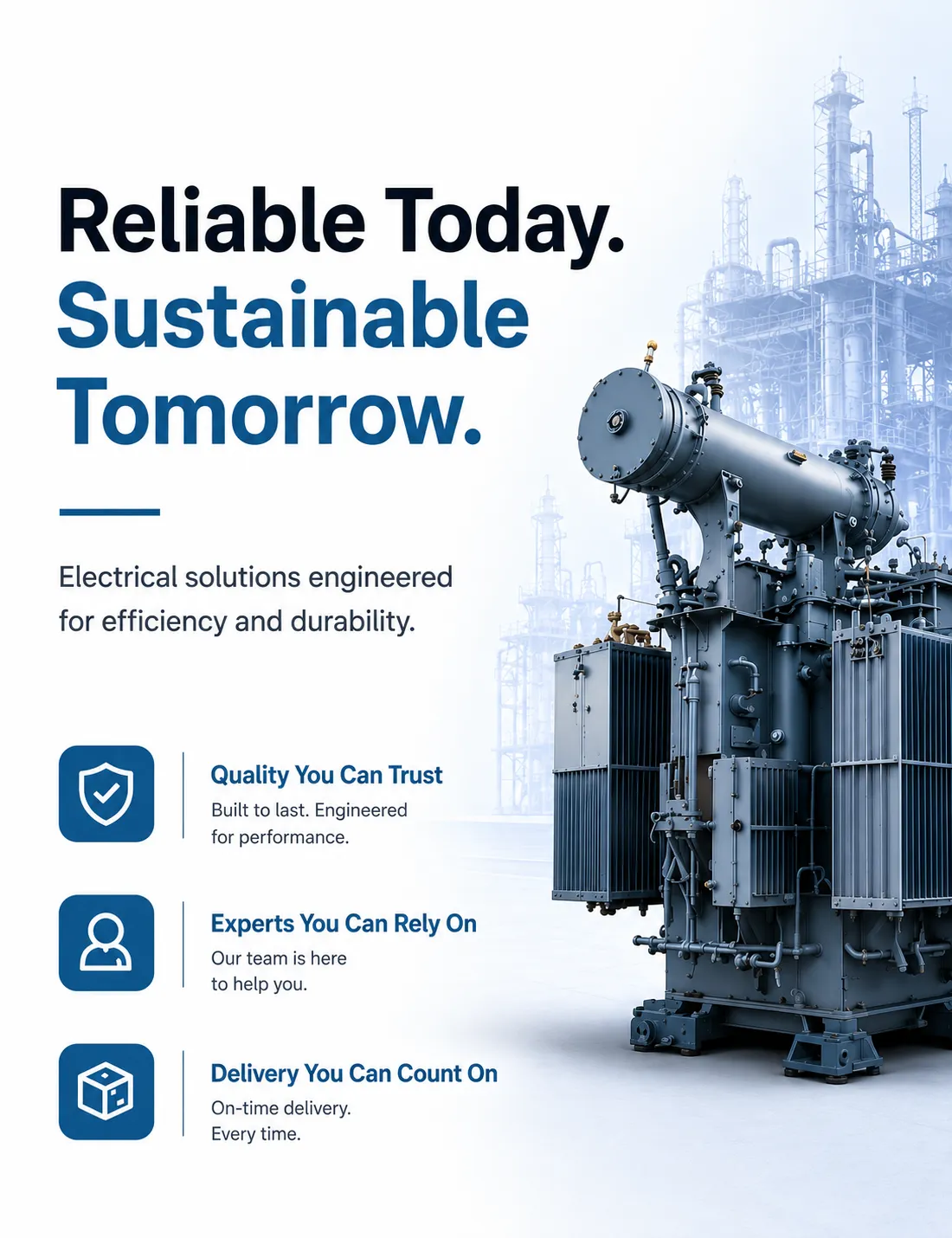
Reliable power distribution is essential for industrial facilities, manufacturing plants, utility infrastructure, and renewable energy systems where uninterrupted electrical performance directly impacts productivity and operational efficiency. Transformers play a vital role in transferring electrical energy between circuits while maintaining the required voltage levels for different applications. As electrical loads increase, transformers generate heat that must be effectively controlled to maintain safe operation and long service life. This is where Oil Cooled Transformers become an important solution for demanding industrial environments.
Unlike dry-type transformers, Oil Cooled Transformers use specially formulated insulating oil that performs two critical functions simultaneously. The oil acts as an electrical insulating medium while also absorbing and dissipating the heat generated within the transformer during operation. This dual-purpose cooling system enables the transformer to operate efficiently under continuous heavy electrical loads while maintaining stable voltage output and dependable performance. Understanding how Oil Cooled Transformers work helps industries appreciate their role in improving electrical reliability, thermal management, and overall power distribution efficiency.
Understanding Oil Cooled Transformers
Reliable power distribution depends on transformers that can efficiently manage both electrical performance and thermal conditions during continuous operation. Oil Cooled Transformers use insulating oil as the primary cooling and insulation medium, allowing heat generated within the windings and transformer core to dissipate effectively while maintaining electrical safety. During operation, electrical energy is transferred from the primary winding to the secondary winding through electromagnetic induction, ensuring stable voltage output and dependable performance across demanding industrial applications.
Instead of allowing this heat to accumulate, the transformer oil continuously absorbs thermal energy from the windings and core. The heated oil circulates naturally or through engineered cooling arrangements, transferring heat away from internal components and maintaining safe operating temperatures.
Besides cooling, transformer oil also provides excellent electrical insulation between energized components. This additional insulation helps improve dielectric strength, reduce electrical stress, and support reliable transformer performance under demanding operating conditions.
Because of these characteristics, Oil Cooled Transformers are widely used in industrial power distribution systems where continuous operation and dependable performance are essential.
The Working Principle of Oil Cooled Transformers
The operation of Oil Cooled Transformers is based on two fundamental principles—electromagnetic induction and efficient thermal management.
When alternating current flows through the primary winding, it creates a changing magnetic field inside the transformer core. This magnetic field induces voltage in the secondary winding, allowing electrical power to transfer without direct electrical contact between the two circuits.
During this process, electrical resistance within the windings and magnetic losses in the core generate heat. Without an effective cooling system, rising temperatures could reduce transformer efficiency and shorten equipment life.
Transformer oil surrounds the core and windings inside the transformer tank. As these components heat up, the oil absorbs the thermal energy and carries it away from the hottest areas.
The heated oil naturally rises because its density decreases with increasing temperature. Cooler oil moves downward to replace it, creating continuous oil circulation within the transformer. This natural circulation allows heat to be transferred to the transformer tank, where it is released into the surrounding environment.
Through this continuous cycle, Oil Cooled Transformers maintain stable operating temperatures while supporting reliable electrical performance even during extended periods of operation.
How the Oil Cooling System Functions
The cooling system is one of the defining features of Oil Cooled Transformers and is responsible for maintaining thermal stability throughout transformer operation.
The cooling process generally follows these stages:
- Heat is generated within the transformer core and windings.
- Transformer oil absorbs the generated heat.
- Warm oil rises toward the upper portion of the transformer.
- Cooler oil moves downward to replace the heated oil.
- Heat is transferred from the oil to the transformer tank.
- The transformer surface releases heat into the surrounding air.
- The cooled oil continues circulating through the transformer.
This continuous cooling cycle helps prevent excessive temperature rise while maintaining stable electrical operation.
Efficient thermal management also reduces mechanical stress caused by repeated heating and cooling cycles, contributing to longer transformer service life and improved operational reliability.
Importance of Transformer Oil in Electrical Insulation
In addition to cooling, transformer oil performs another equally important function inside Oil Cooled Transformers by providing electrical insulation.
The insulating properties of transformer oil help separate energized components while reducing the possibility of electrical breakdown under high-voltage operating conditions.
Transformer oil contributes to:
- High dielectric strength
- Improved insulation performance
- Reduced electrical stress
- Enhanced operational safety
- Reliable high-voltage operation
Because the oil surrounds critical internal components, it helps maintain consistent insulation performance throughout normal operating conditions.
This combination of thermal management and electrical insulation makes transformer oil one of the most important elements in the overall design of Oil Cooled Transformers.
Why Heat Dissipation Is Critical
Heat is one of the primary factors affecting transformer efficiency, insulation life, and long-term reliability. During continuous industrial operation, electrical loading generates significant amounts of thermal energy that must be controlled effectively.
Efficient thermal management enables Oil Cooled Transformers to manage this heat through continuous oil circulation and effective heat transfer, ensuring stable operation under demanding industrial conditions.
Effective heat dissipation helps:
- Maintain stable operating temperatures
- Improve transformer efficiency
- Protect insulation systems
- Reduce thermal stress
- Extend transformer service life
- Support continuous industrial operation
Without proper thermal management, excessive temperatures may accelerate insulation aging and reduce transformer reliability over time.
By continuously removing heat from internal components, Oil Cooled Transformers maintain dependable electrical performance while supporting demanding industrial applications.
Industrial Applications of Oil Cooled Transformers
The ability to provide efficient cooling, dependable insulation, and stable electrical performance makes Oil Cooled Transformers suitable for a wide range of industrial applications. Their robust design enables them to operate reliably under demanding conditions where continuous power supply is essential.
Common applications include:
- Industrial power distribution systems
- Manufacturing facilities
- Heavy engineering industries
- Furnace operations
- Renewable energy projects
- Electrical utility networks
- Infrastructure developments
- High-capacity industrial plants
Many industries operate equipment continuously for extended periods, making thermal management a critical factor in transformer selection. Oil Cooled Transformers support these operations by maintaining stable temperatures and reducing the impact of thermal stress on internal components.
Their availability in customized configurations also allows industries to select transformer designs that match specific operational requirements.
Why Oil Cooled Transformers Are Preferred for Heavy-Duty Applications
Heavy-duty electrical systems demand transformers capable of handling large electrical loads without compromising efficiency or reliability. Oil Cooled Transformers are specifically designed to perform under these challenging conditions.
Several characteristics make them suitable for demanding industrial environments:
- Efficient heat dissipation
- Stable voltage output
- High electrical insulation
- Reliable continuous-duty operation
- Long operational service life
- Robust industrial construction
- High power handling capability
- Custom design flexibility
These advantages enable transformers to maintain dependable performance even when operating under fluctuating loads or prolonged service conditions.
Industries involved in manufacturing, mining, utilities, renewable energy, and infrastructure often depend on Oil Cooled Transformers because they offer consistent electrical performance while minimizing the effects of thermal stress.
Factors That Influence Transformer Performance
Several operational factors influence the efficiency and long-term reliability of industrial power systems. Oil Cooled Transformers perform most effectively when suitable operating conditions are maintained and thermal management systems function efficiently throughout their service life.
Proper transformer performance depends on maintaining suitable operating conditions and ensuring that the cooling system functions effectively throughout the transformer’s service life.
Important factors include:
| Performance Factor | Operational Impact |
| Oil quality | Supports cooling and insulation efficiency |
| Operating temperature | Influences transformer life |
| Electrical loading | Affects thermal performance |
| Insulation condition | Maintains electrical reliability |
| Cooling efficiency | Controls internal heat generation |
| Preventive maintenance | Supports long-term operation |
Monitoring these factors helps industries maintain dependable transformer performance while reducing the possibility of unexpected operational interruptions.
Benefits of Oil Cooling Technology
The oil cooling system provides several engineering advantages that contribute directly to transformer efficiency, thermal management, and long-term operational reliability. Oil Cooled Transformers utilize this cooling method to maintain stable electrical performance under demanding industrial conditions.
Key benefits include:
- Effective removal of internally generated heat
- Improved dielectric insulation
- Better voltage stability
- Enhanced transformer efficiency
- Reduced thermal aging
- Improved operational safety
- Longer equipment life
- Reliable industrial performance
Because transformer oil performs both cooling and insulation functions simultaneously, the overall transformer design becomes highly effective for demanding industrial applications.
These advantages allow Oil Cooled Transformers to support reliable electrical power distribution across numerous industries.
Need reliable Oil Cooled Transformers? Contact Us today for dependable industrial transformer solutions.
Best Practices for Long-Term Reliability
Although Oil Cooled Transformers are designed for dependable industrial operation, following appropriate operating and maintenance practices helps maximize performance throughout their service life.
Recommended practices include:
- Monitoring transformer oil condition
- Maintaining proper operating temperatures
- Avoiding continuous overloading
- Conducting routine inspections
- Verifying insulation performance
- Maintaining clean operating environments
- Performing scheduled preventive maintenance
These practices help preserve transformer efficiency while supporting continuous industrial operation and dependable electrical performance.
Long-term reliability depends on maintaining both the electrical system and the oil cooling system in good operating condition.
Frequently Asked Questions
Oil Cooled Transformers are power transformers that use insulating oil for both cooling and electrical insulation to maintain reliable performance during operation.
They operate through electromagnetic induction while transformer oil absorbs and dissipates heat generated by the core and windings, maintaining safe operating temperatures.
Transformer oil provides efficient cooling and high electrical insulation, helping improve operational safety, transformer efficiency, and service life.
They are widely used in industrial power distribution, manufacturing facilities, furnace applications, renewable energy systems, electrical utilities, and infrastructure projects.
Their efficient cooling system, high insulation strength, stable voltage output, and ability to operate continuously under demanding conditions make them suitable for heavy-duty applications.
Conclusion
Reliable power distribution in industrial environments depends on efficient cooling, dependable insulation, and consistent electrical performance. Oil Cooled Transformers combine these essential characteristics by utilizing insulating oil for both heat dissipation and electrical insulation, ensuring stable voltage output under demanding operating conditions. This advanced cooling method helps improve transformer efficiency, extend equipment service life, and support continuous heavy-duty operation across industrial and energy applications. By understanding their working principle and operational advantages, industries can make informed decisions when selecting transformer solutions that deliver long-term reliability, safety, and efficient power distribution.
Oil Cooled Transformer AdvantagesOil Cooled Transformer PartsOil Cooled Transformer RectifierTransformer Oil Cooling System
Related Posts
Choosing the right transformer for an industrial application requires a clear understanding of its electrical…
Transformers are essential for reliable power distribution and industrial electrical systems. However, continuous operation can…