15, Jeevan Jyot Society, Opp.Indra Complex, Lalbaug Road, Vadodara-390011
 archit@architelectricals.com
 +91 265-2655380

Transformers are essential for industrial power distribution, and their reliable operation depends on more than…
- Product Guide
- 4 minute read
Industrial operations rely heavily on efficient power distribution systems to ensure smooth functioning and minimal downtime. Selecting the right transformer type is essential for maintaining safety, efficiency, and long-term performance.
When comparing options, Transformers play a critical role in determining how effectively power is managed in industrial environments. Choosing between dry type and oil-filled systems depends on application, safety requirements, and operating conditions.
What Are Dry Type and Oil Transformers?
Transformers are electrical devices used to transfer energy between circuits while maintaining voltage levels. They are essential components in industrial power systems.
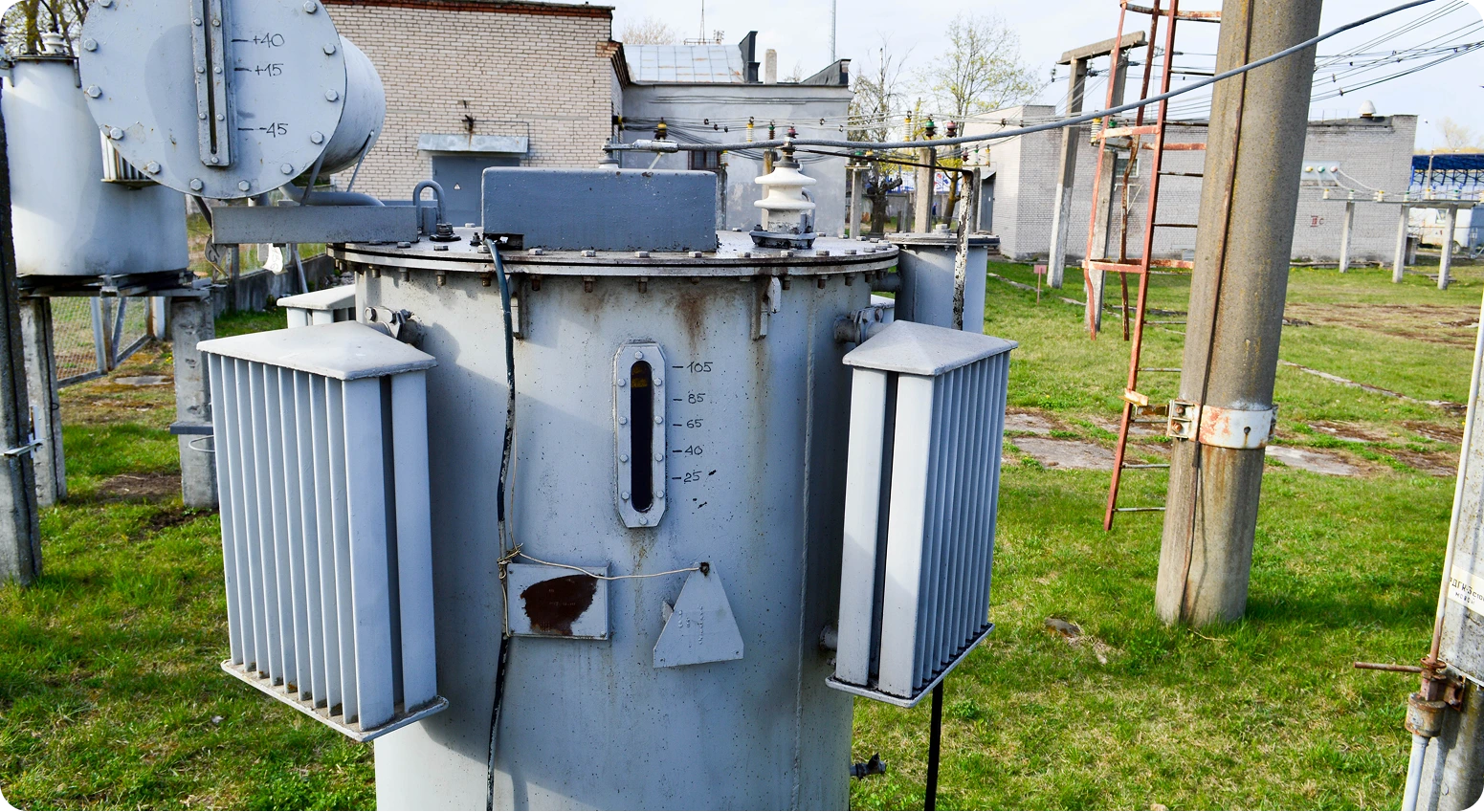
Dry type Transformers use air as a cooling medium, while oil-filled Transformers rely on insulating oil for cooling and insulation. Each type has unique characteristics that suit different industrial needs.
Key differences include:
- Cooling method (air vs oil)
- Installation environment
- Maintenance requirements
- Safety considerations
- Performance efficiency
Advantages of Oil Transformers
Oil-filled systems are commonly used in heavy industrial applications due to their high efficiency and cooling capabilities. They are designed to handle larger loads and demanding conditions.
In large-scale operations, Transformers with oil cooling offer better heat dissipation and performance. This makes them ideal for high-capacity industrial setups.
Key advantages include:
- High load capacity
- Better cooling performance
- Longer lifespan
- Efficient heat management
- Suitable for outdoor installations
Key Differences Between Dry and Oil Transformers
Understanding the differences between these systems helps in selecting the right solution for specific industrial needs. Each type offers unique benefits based on application.
When comparing Transformers, factors such as cost, safety, and maintenance must be considered. These differences directly impact operational efficiency and long-term reliability.
Major differences include:
- Cooling mechanism (air vs oil)
- Installation location
- Maintenance complexity
- Initial and operational cost
- Safety levels
Factors to Consider When Choosing
Selecting the right transformer requires careful evaluation of operational requirements and environmental conditions. Each factor plays a role in determining the best option.
Considering Transformers based on load, location, and safety ensures optimal performance. Proper selection helps reduce downtime and improve efficiency.
Important factors include:
- Installation environment
- Load requirements
- Safety standards
- Maintenance needs
- Budget considerations
Industrial Applications
Different industries require different types of transformers depending on their operational needs. The choice depends on safety, capacity, and environmental conditions.
In industrial setups, Transformers are used across manufacturing plants, power stations, and commercial facilities. Each application determines the most suitable type.
Common applications include:
- Manufacturing industries
- Power distribution systems
- Commercial buildings
- Renewable energy plants
- Heavy industrial operations
Looking for the right transformer solution for your industry? Contact us today for expert guidance on selecting the best Transformers for your needs.
Frequently Asked Questions
Dry types use air for cooling, while oil transformers use insulating oil.
Dry type transformers are safer due to lower fire risk.
Yes, they offer better cooling and are suitable for heavy loads.
Dry type transformers generally require less maintenance.
They are used in outdoor and heavy industrial applications.
Consider load, location, safety, and budget requirements.
Conclusion
Choosing between dry type and oil-filled systems is an important decision for industrial operations. Each option offers unique advantages depending on safety, performance, and environmental requirements.
Understanding Transformers and their applications helps industries make informed decisions that improve efficiency and reliability. The right choice ensures long-term performance and operational success.
Related Posts
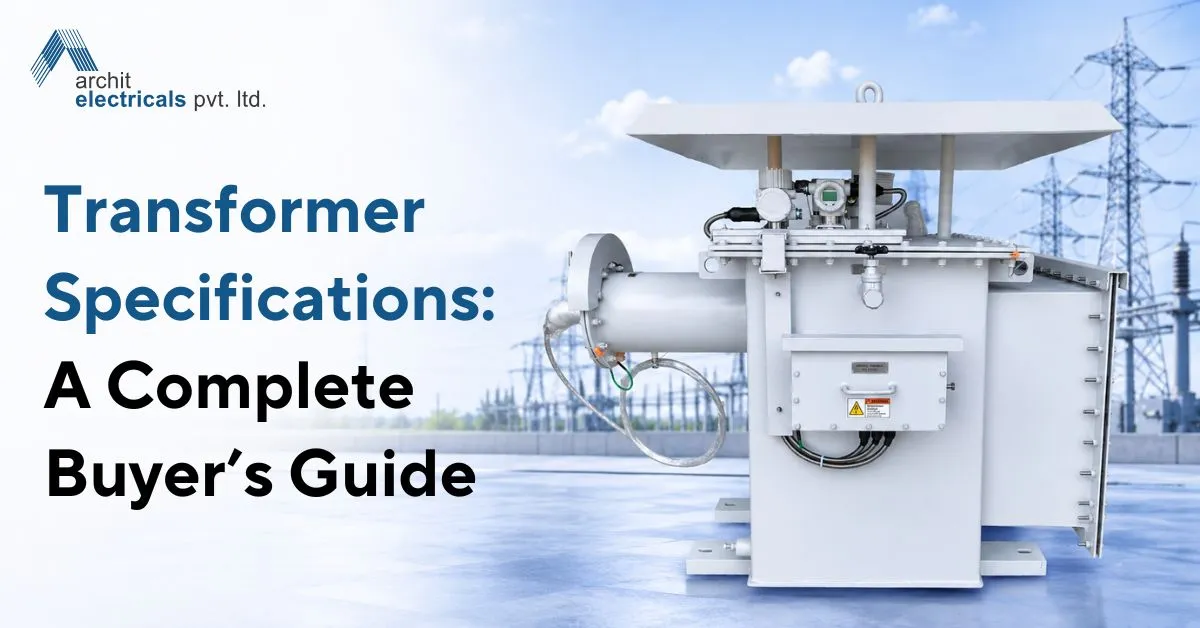
Choosing the right transformer for an industrial application requires a clear understanding of its electrical…
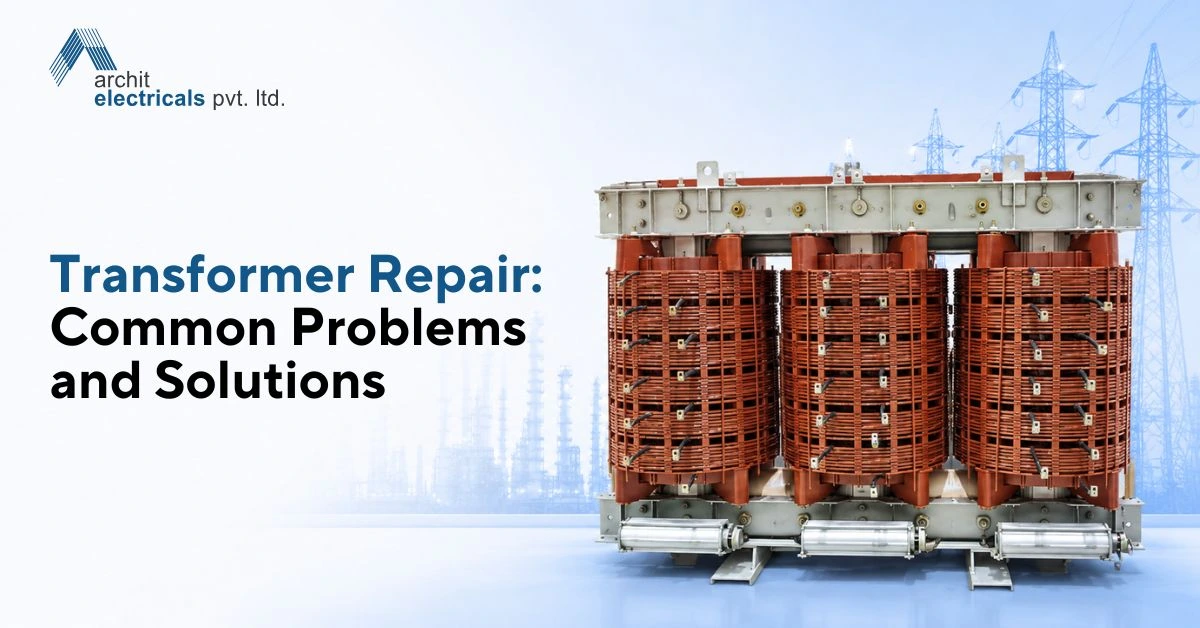
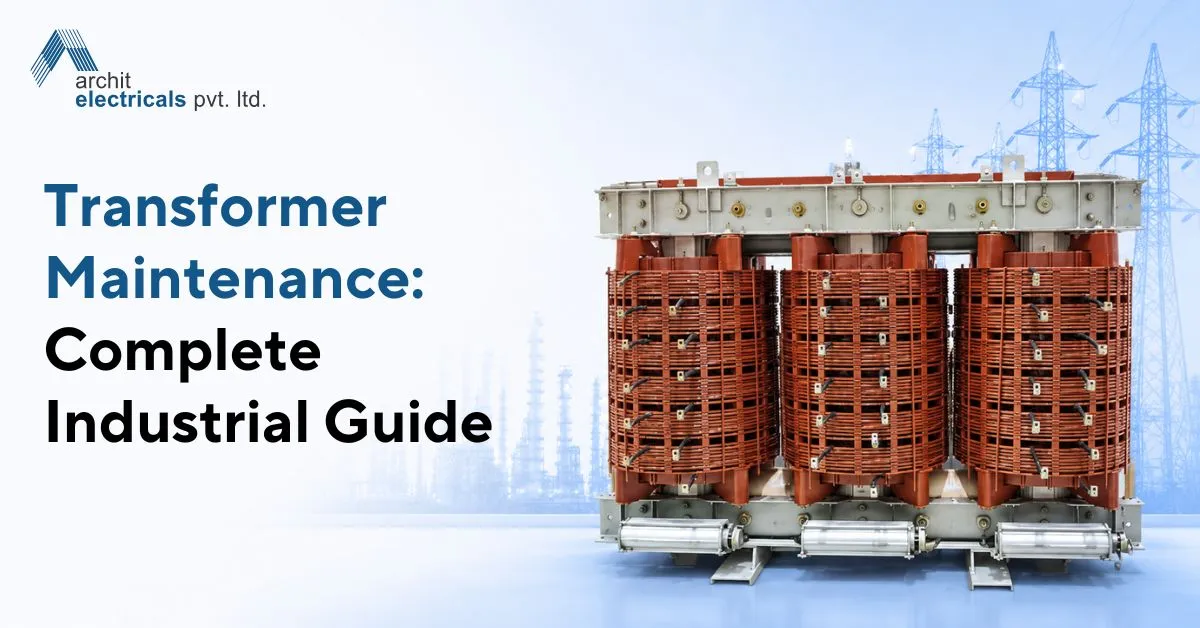
Transformers are essential for reliable power distribution and industrial electrical systems. However, continuous operation can…